



What Should You Look for When Choosing a Battery Charger?

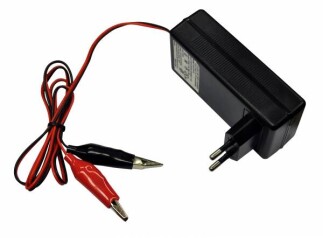
Battery Charger Selection is a technical process that directly affects the service life of batteries, charging efficiency, and the operational stability of connected systems. Different battery types (AGM, Gel, Lithium, Flooded, etc.) require different charging characteristics, and an incorrectly selected charger can lead to permanent capacity loss, overheating, sulfation, or complete failure of the battery. Therefore, the correct assessment of battery capacity, usage scenario, charging voltage, current value, and safety features is critical for both extending battery life and reducing energy costs.
What is a Battery Charger and What Does It Do?
A battery charger is a power electronics device that maintains the battery’s usability by recharging the energy stored in it. Since batteries store energy through chemical reactions, they must be charged at regular intervals with the correct current and appropriate voltage levels. The charger converts mains electricity into the direct current format required by the battery and transfers it to the battery in a controlled manner.
Modern chargers do more than just charge batteries; they prevent overcharging, monitor temperature changes, gradually adjust the charging current, and apply float (standby) charging to keep the battery at a healthy level. Therefore, a properly selected charger can extend battery life by up to 200% and significantly increase system efficiency.
The Importance of Compatibility Between Charger and Battery Type
The chemical composition of each battery type is different, and this composition determines the charging algorithm. For example, AGM and gel batteries require precise charging at low currents, while flooded batteries have wider charging tolerances. Lithium batteries require BMS support capable of cell balancing. Therefore, it is essential that the charger is suitable for the battery type.
When selecting a battery charger, pay attention to the “recommended charging voltage” and “maximum charging current” values listed on the battery’s technical label. Choosing the wrong charger can cause the battery to overheat, gas, or lose capacity.
How to Select Charging Voltage and Current Values?
The charging voltage must be compatible with the battery’s nominal operating voltage. For example:
- 12V akü → 14.2–14.8V şarj aralığı
- 24V battery → 28.4–29.6V charging range
- 48V battery → 56.8–59.2V charging range
The current value should generally be between 10–20% of the battery capacity. For a 100Ah battery, a charge of 10A–20A is suitable. Higher current provides faster charging but shortens battery life, while lower current extends the charging time.
Sizing Chargers Based on Battery Capacity
As battery capacity increases, charging time and charger power also become important. Chargers with the wrong capacity can prevent the battery from fully charging or, conversely, shorten its life by overloading it. For example, charging a 200Ah battery with a 5A charger can take over 30 hours, which is impractical.
Proper sizing is one of the most fundamental selection criteria for both energy management and battery health.
Automatic Charge Control (Float / Bulk / Absorption Stages)
High-quality chargers perform the charging process in three main phases:
- Bulk Charge: The battery is quickly charged to approximately 80% of its capacity.
- Absorption Charge: The remaining 20% is completed more slowly and in a controlled manner.
- Float Charge: After the battery reaches full charge, a low voltage continuous charge is applied for protection purposes.
Chargers that do not support this algorithm can significantly shorten battery life.
Battery Protection Features: Overcharge, Overheating, and Short Circuit Protection
Battery safety is essential not only for battery performance but also for user safety. The charger must have at least the following protective features:
- Overcharge protection
- Overcurrent protection
- Short-circuit protection
- Temperature sensor & thermal cutout
Charging devices used without these protections may cause the battery to swell, gas, or pose a fire risk.
Charger Selection Based on Usage Scenario (Vehicle, UPS, Solar, Marine, etc.)
Each system type requires a different charging profile. For example:
- Vehicle Batteries: Fast charging and high starting current should be supported.
- UPS Systems: Float charging without interruption is an important criterion.
- Solar Energy Systems: MPPT solar charge controllers offer advantages.
- Marine Systems: Salt and moisture resistance are critical factors.
When selecting a battery charger, the usage environment and the device’s operating cycle should be taken into consideration.
Akü Şarj Hızı ve Bekleme Süresi Hesaplaması
The charging time can be calculated using this formula:
Charging Time (hours) = Battery Capacity (Ah) / Charging Current (A)
For example, a 100Ah battery with a 10A charger → 10 hours charging time.
Faster charging can damage the battery, while slower charging reduces operational efficiency.
Differences Between Portable, Desktop, and Industrial Chargers
Portable charging devices are lightweight and designed for practical use; they are typically preferred by vehicle users and campers. Desktop charging devices are common in workshops and maintenance areas. Industrial charging devices support high-capacity battery banks and are designed for 24/7 operation.
Tips for Extending Battery Life by Choosing the Right Charger
To extend battery life:
- The appropriate charging voltage and current for the battery must be selected.
- The charger must have float charging support.
- Models with protection against overcharging and overheating should be preferred.
- The battery should be fully charged regularly.
- The system temperature must be kept under control.
When these steps are implemented, the battery’s cycle life, efficiency, and operational stability are significantly improved.
