



What Are the Differences Between Dry Cell and Wet Cell Batteries?w

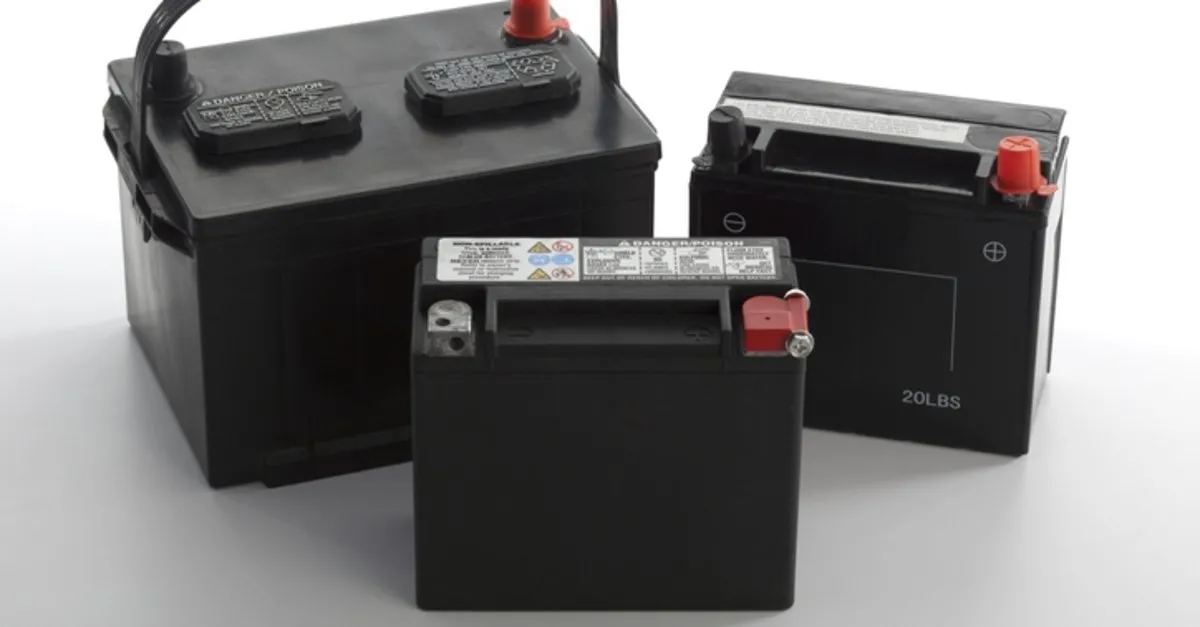
Dry-type and wet-type batteries are the two main battery classes preferred in energy storage systems according to different usage requirements. Battery selection in solar energy systems, UPS solutions, automotive, marine applications, and industrial energy infrastructures directly affects system performance, maintenance costs, and service life. Therefore, thoroughly understanding the operating principles, structural differences, performance characteristics, and usage scenarios of the two battery types is critical to making the right battery selection.
What is a Dry Cell Battery?
Dry-type batteries are maintenance-free battery models in which the electrolyte fluid is fixed within a gel or glass fiber (AGM) structure. Since the fluid does not circulate freely in dry-type batteries, there is no electrolyte flow even if the battery is inverted. This feature provides significant advantages in terms of safety, leak-proofing, and ease of use. Additionally, dry-type batteries are much more resistant to physical effects such as shock, tilt, or vibration compared to wet-type batteries.
Dry batteries provide stable performance, especially in systems requiring long-term and constant power. They are frequently preferred in UPS systems, solar energy storage solutions, telecommunications infrastructure, and medical device power support systems. They are suitable for indoor use because gas emissions are minimal and ventilation is not required.
What is a Flooded Battery?
Flooded batteries are battery models that contain liquid electrolyte and require periodic checks of the water or electrolyte level. They consist of lead plates and sulfuric acid-based electrolyte fluid. This electrolyte can evaporate or decrease over time, so regular maintenance is required. Flooded batteries are generally preferred in larger capacity systems due to their low cost advantage.
Flooded batteries are commonly used in applications requiring high current, such as vehicle starter batteries, forklift batteries, heavy machinery, and industrial load handling systems. However, it is recommended that they be operated in open areas or well-ventilated environments because gas emissions and fluid loss may occur.
Structural Differences Between Dry and Wet Batteries
In dry batteries, the electrolyte has a fixed structure (in AGM or gel form), whereas in wet batteries, the liquid electrolyte is free-flowing. This fundamental difference leads to significant changes in the battery’s operating behavior, maintenance requirements, and installation conditions. Dry-type batteries can be used at any angle due to their leak-proof design, while wet batteries require a flat and fixed positioning.
Additionally, dry batteries are more resistant to vibration and impact, making them safer in mobile environments. Wet batteries, on the other hand, are better suited for heavy-duty conditions, but if maintenance is neglected, performance degradation occurs more rapidly.
Comparison of Charging and Discharging Behaviors
Dry-type batteries are successful in providing stable energy for long periods with lower current draw. Therefore, they offer an ideal solution in places with continuous energy needs, such as uninterruptible power supplies, solar inverter systems, and security infrastructures. When the charging process is controlled, the life of gel and AGM batteries is quite long.
Flooded batteries excel in sudden loads requiring high current. For example, they are preferred in applications requiring high current during the initial start-up phase, such as starting vehicles and forklifts. However, frequent and deep discharges in flooded batteries can cause the plates to wear out.
Maintenance Requirements and Ease of Use
Dry batteries are maintenance-free batteries. Since there is no electrolyte consumption, there is no need to add water. This feature offers a significant advantage in enclosed spaces and systems where user intervention is difficult. In addition, dry batteries pose a lower risk in terms of safety.
Wet batteries require regular maintenance. The electrolyte level must be checked, distilled water added when necessary, and the connections cleaned to prevent oxidation. Neglecting maintenance significantly shortens the battery’s lifespan. For this reason, wet batteries are generally used under the supervision of technical personnel.
Differences in Terms of Lifespan and Cycle Count
Dry-type batteries are long-cycle batteries when charged and used correctly. Gel and AGM batteries provide a long service life, especially in solar and UPS systems that require deep cycling. However, performance degradation can accelerate if the wrong charging voltage is applied.
Wet-cell batteries have a shorter cycle life compared to dry models, but they are more reliable in meeting high current demands when used appropriately. For this reason, wet-cell batteries are preferred in industrial machinery requiring daily intensive use.
Performans ve Verimlilik KarşılaştırmasıPerformance and Efficiency Comparison
Dry batteries better balance voltage drops under load. This means systems operate stably and sudden shutdowns are less common. Additionally, their efficiency is high due to their low internal resistance.
Wet batteries offer performance advantages in high current and instantaneous power output applications. However, their performance stability is lower than dry batteries in devices with long-term and constant energy demands.
Battery Selection Based on Application Areas
Areas Where Dry Cell Batteries Are Suitable:
- UPS systems
- Solar energy storage systems
- Telecom infrastructure
- Medical device backup power systems
- Security and camera systems
Areas Where Flooded Batteries Are Suitable:
- Automotive starter batteries
- Forklifts, construction machinery, and crane systems
- Tractors and agricultural machinery
- Industrial applications requiring high power
Effect of Ambient Temperature and Working Conditions
Dry-type batteries respond more stably to temperature changes, but very high temperatures can damage the gel structure. Therefore, dry batteries offer ideal performance in controlled indoor environments.
Wet batteries have a wide tolerance in terms of temperature resistance, but as the temperature rises, electrolyte evaporation accelerates. Therefore, water should be added to wet batteries in open and hot environments.
Dry Type or Wet Type? Which One Should Be Preferred in Which Situation?
When making a selection, the energy usage profile, maintenance capabilities, environmental conditions, and cost expectations should be evaluated together. If there is a constant power requirement in a closed environment and maintenance capabilities are limited, a dry-type battery is more suitable. However, for heavy machinery requiring high current, a wet-type battery is a more economical and appropriate solution.
In conclusion, accurately analyzing your system requirements directly determines battery life and total cost. Choosing the wrong battery can lead to both performance loss and unnecessary cost increases.
