



Gel Battery or AGM Battery? Which One is More Durable?

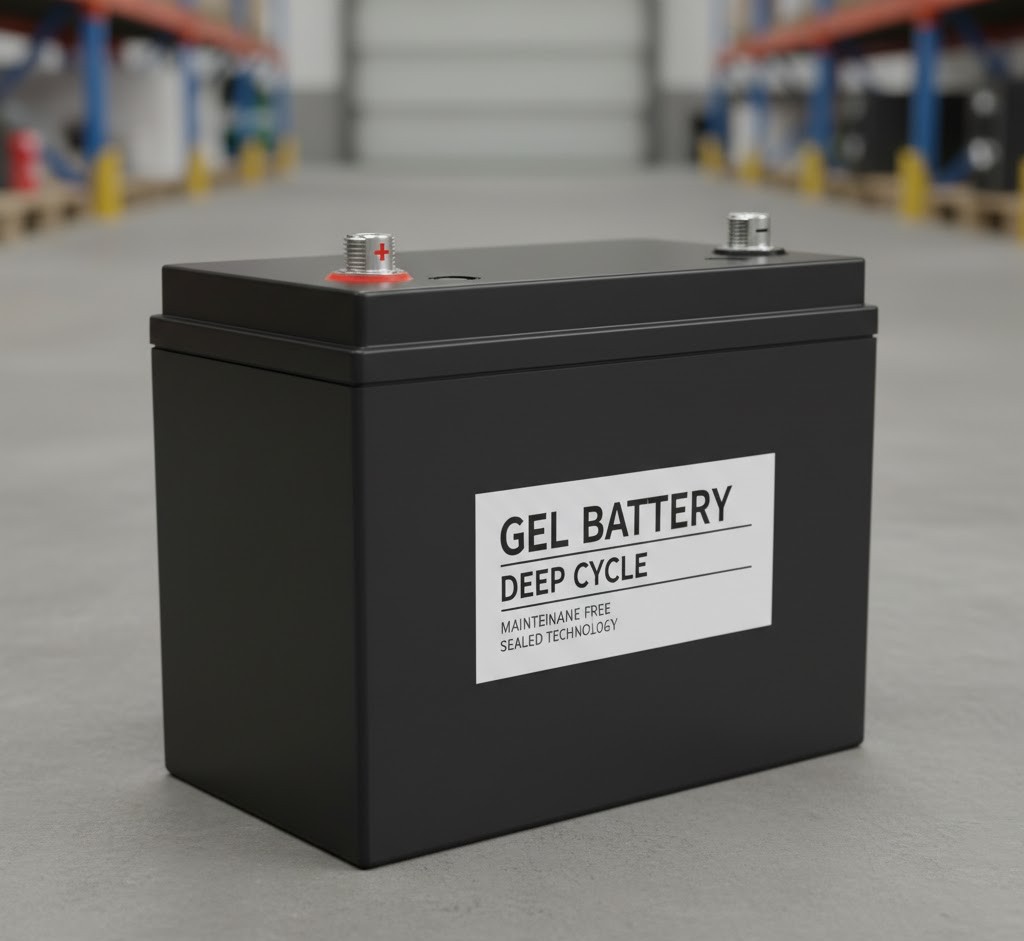
Gel batteries and AGM batteries are the two most preferred deep cycle battery types, especially in applications requiring uninterrupted power, such as solar energy systems, UPS solutions, telecommunications infrastructure, RVs, and marine energy systems. Both battery types are maintenance-free, leak-proof, and designed for safe use; however, their internal structures, charging characteristics, cycle lives, and usage scenarios differ significantly. Choosing the right battery directly impacts both system efficiency and energy costs. Therefore, it is crucial to thoroughly understand the differences between gel batteries and AGM batteries, their advantages, and when each should be preferred.
What is a Gel Battery?
Jel akülerde elektrolit sıvısı, jel kıvamına getirilmiş silika bazlı bir madde içerisinde sabitlenmiştir. Bu jel yapı, akü içerisinde elektrolitin akışını ortadan kaldırır ve plakalar ile elektrolit arasındaki temasın dengeli olmasını sağlar. Böylece jel aküler yüksek sıcaklıklara ve titreşime karşı daha dayanıklı hale gelir. Gaz çıkışı neredeyse sıfıra yakın olduğu için kapalı alan kullanımına son derece uygundur.
Gel batteries provide high efficiency in solar systems, caravans, marine systems, and uninterruptible power supplies where there is a need for long-term energy at low currents. Performance stability during long deep discharge cycles is one of their most important advantages. However, gel batteries generally have longer charging times than AGM batteries because they allow for lower charging currents.
What is an AGM Battery?
In AGM (Absorbent Glass Mat) batteries, the electrolyte is held within a glass fiber mat. This design ensures the electrolyte is evenly distributed between the plates and contributes to low internal resistance. Low internal resistance means the battery performs better in applications requiring high current draw.
AGM batteries operate more efficiently in generator-backed systems, UPS systems, automotive start-stop systems, security systems, and environments requiring sudden high currents. Additionally, AGM batteries have a shorter charging time compared to gel batteries and tolerate fast charging better. However, their temperature sensitivity is higher than that of gel batteries.
Structural Differences Between Gel and AGM Batteries
Both battery types belong to the VRLA (Valve Regulated Lead Acid) class and are maintenance-free. However, structural differences directly affect performance:
- Gel battery: The electrolyte is in gel form → provides greater stability and longer cycle life.
- AGM battery: Electrolyte is contained in glass fiber → offers lower internal resistance and high current performance.
Bu fark, jel aküleri enerji devamlılığı gerektiren uygulamalarda; AGM aküleri ise yüksek akım ve hızlı şarj gerektiren uygulamalarda öne çıkarır.
Charging and Discharging Characteristics Comparison
Gel batteries require a more sensitive charging profile. An increase in charging voltage can cause damage to the gel structure. Therefore, gel batteries must be charged using chargers that support gel mode.
AGM batteries are more tolerant to charging and support fast charging. However, incorrect charging settings can also cause long-term capacity loss in AGM batteries. AGM batteries manage high current discharges better, making them ideal for systems with sudden power demands.
Cycle Life and Durability Periods
Döngü ömrü, akünün tam şarjdan tam deşarja kaç kez dayanabileceğini ifade eder. Jel aküler genellikle AGM akülere göre daha yüksek döngü ömrüne sahiptir. Örneğin iyi bir jel akü 700–1200 döngü sunarken, AGM aküler 300–700 döngü aralığında performans gösterir.
Therefore, in systems with long-term and stable energy requirements, choosing gel batteries can be more economical in the long run.
Deep Discharge Performance and Capacity Preservation
Jel aküler derin döngülü kullanımda kapasite kaybını çok daha kontrollü şekilde yaşar. %50–80 deşarj seviyelerinde bile yapısal stabilite korunur. Bu nedenle güneş enerjisi sistemlerinde jel aküler uzun vadeli güvenilirlik sağlar.
AGM batteries are more sensitive to deep discharge. Capacity loss can accelerate when deep discharge is repeated frequently. However, AGM batteries perform better in applications requiring short-term high current.
Sıcaklık ve Çevresel Koşullara Dayanıklılık
Jel akü, iç yapısındaki jel sabitleyici sayesinde sıcaklık değişimlerine ve titreşime karşı daha dayanıklıdır. Bu nedenle karavan, tekne, marin sistemleri ve güneş enerjisi istasyonları gibi çevresel faktörlerin yoğun olduğu ortamlarda tercih edilir.
AGM batteries are more sensitive to temperature changes. They perform best in enclosed spaces, UPS rooms, and environments with stable temperature control.
Maintenance Requirements and Ease of Use
Both gel and AGM batteries are maintenance-free and do not require fluid refilling. However, gel batteries have a lower failure rate due to their more stable chemical composition.
AGM batteries are recommended for systems that undergo frequent charge-discharge cycles, so regular monitoring of temperature and capacity is advised.
Selecting the Right Battery for Your Application
Jel Akü Tercih Edilmesi Gereken Alanlar:
- Solar energy systems
- RV energy systems
- Marine applications
- Telecom and base stations
- UPS long-term support
Areas Where AGM Batteries Should Be Preferred:
- UPS hızlı şarj döngülü sistemler
- Elektrikli bisiklet ve scooter sistemleri
- Vehicle start-stop systems
- Motorized door, security systems
- Generator-backed power systems
Gel Battery or AGM Battery? Which One Should Be Preferred in Which Situation?
If your system requires long-term and constant power, environmental conditions are variable, and reliability is a priority, a gel battery is the best choice. It offers advantages for long-term investment thanks to its longer cycle life.
In contrast, AGM batteries deliver more efficient results in systems requiring fast charging, high current draw, and sudden power demands. AGM batteries are preferred in UPS systems, vehicles, and applications with short-term high power requirements.
